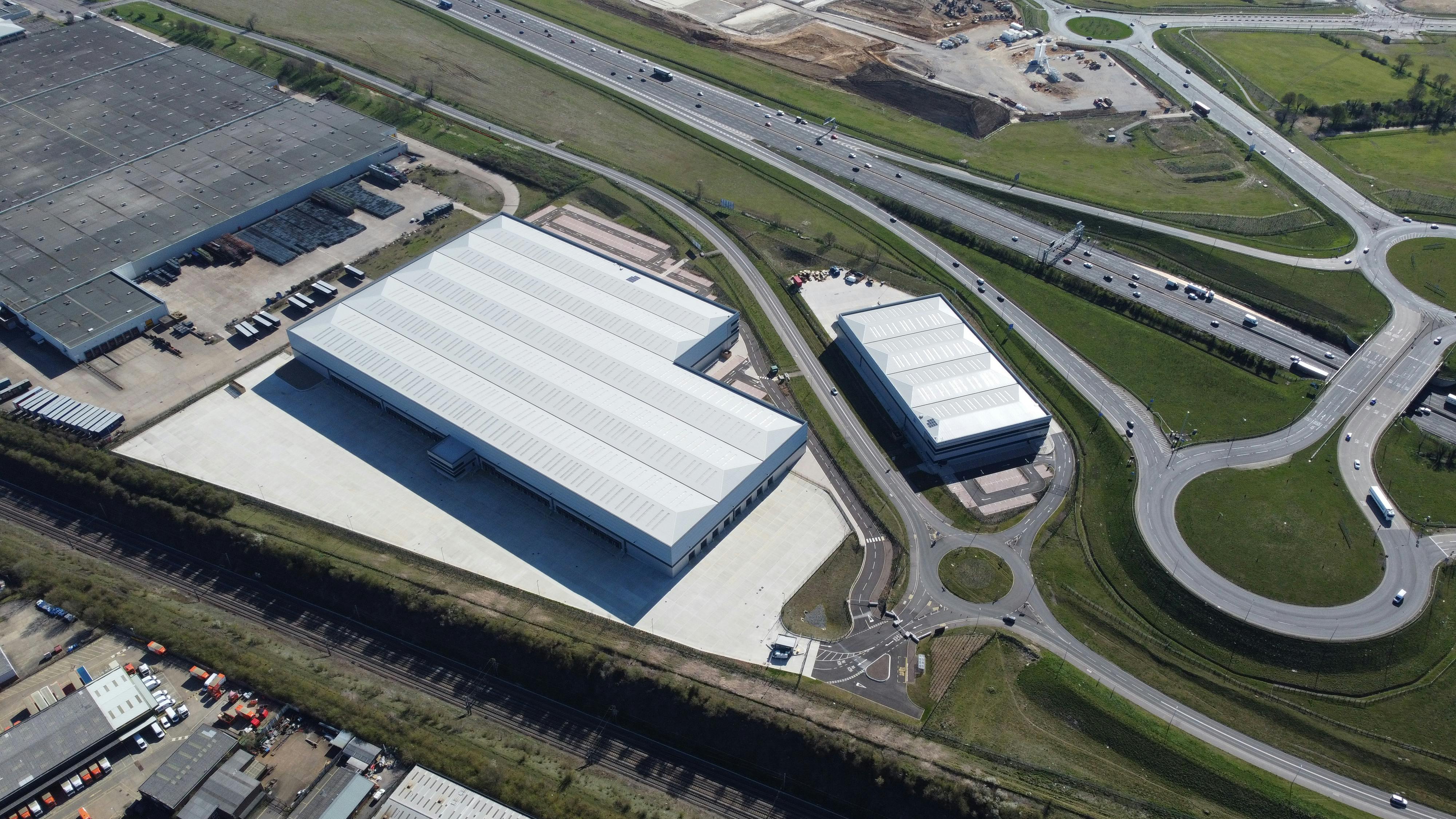
Warehouses are the unsung heroes of the supply chain, quietly ensuring that products move seamlessly from manufacturers to businesses and consumers. Whether you’re running an e-commerce store, a manufacturing business, or a retail operation, choosing the right type of warehouse can make all the difference. Let’s break down the different types of warehouses and how they fit into various business needs.
There are several types of warehouses, each serving different business needs: Private warehouses are owned by companies for exclusive inventory storage, while public warehouses offer rented storage solutions. Distribution centers focus on rapid product movement, whereas fulfillment centers handle e-commerce orders. Cold storage warehouses maintain perishable goods at controlled temperatures, and bonded warehouses store imported items before customs duties are paid. Smart warehouses use automation and AI for efficiency, while cooperative warehouses allow businesses to share storage space. Bulk storage warehouses handle large raw materials, and hazardous goods warehouses store dangerous materials under strict regulations.
1. Private Warehouses
Think of private warehouses as exclusive storage spaces—owned and operated by manufacturers, wholesalers, or retailers who want full control over their inventory. These warehouses offer stability and efficiency, but they come at a cost. Since they require significant investment, they’re usually best suited for businesses with large, steady inventory needs.
2. Public Warehouses
Not ready to invest in your own warehouse? Public warehouses are a great option. These are storage facilities available for rent, managed by third-party providers. They give businesses the flexibility to store goods without long-term commitments, making them ideal for startups, seasonal businesses, or those testing new markets.
3. Distribution Centers
Speed is the name of the game for distribution centers. Unlike traditional warehouses that focus on long-term storage, distribution centers are all about moving goods in and out quickly. They’re strategically located to ensure products reach retailers or customers in the shortest time possible—perfect for businesses that need a rapid supply chain.
4. Fulfillment Centers
If you’ve ever ordered something online and received it within a day or two, a fulfillment center was likely involved. These warehouses specialize in e-commerce order processing, handling everything from packaging to shipping. Companies like Amazon and Shopify rely on fulfillment centers to ensure smooth and efficient deliveries to customers.
5. Cold Storage Warehouses
Not all products can sit on a shelf at room temperature. Cold storage warehouses are designed to store perishable goods like food, pharmaceuticals, and chemicals under controlled conditions. Maintaining the right temperature and humidity levels is crucial to preserving product quality and meeting safety regulations.
6. Bonded Warehouses
Importing goods? Bonded warehouses offer a solution for businesses dealing with international shipments. These government-regulated storage facilities allow businesses to store imported goods without immediately paying customs duties. Duties are only paid when the products leave the warehouse for sale—helping businesses manage cash flow more effectively.
7. Smart Warehouses
Technology is transforming warehousing, and smart warehouses are at the forefront. Equipped with automation, artificial intelligence, and robotics, these warehouses reduce labor costs and improve efficiency. Automated storage and retrieval systems (AS/RS) and real-time inventory tracking make operations smoother and more accurate.
8. Cooperative Warehouses
Small businesses and organizations often struggle with warehousing costs. Cooperative warehouses provide a cost-effective solution by allowing multiple businesses to share storage space and operational expenses. It’s a win-win: reduced costs and access to better facilities without the burden of owning a warehouse outright.
9. Bulk Storage Warehouses
Industries dealing with large quantities of raw materials—think grains, coal, or minerals—need specialized storage. Bulk storage warehouses are built to handle heavy and voluminous inventory, ensuring products are stored safely and efficiently until they’re ready for distribution.
10. Hazardous Goods Warehouses
Storing hazardous materials like chemicals, explosives, or flammable substances requires strict safety protocols. Hazardous goods warehouses are designed to meet regulatory requirements and ensure these materials are stored under the safest possible conditions.